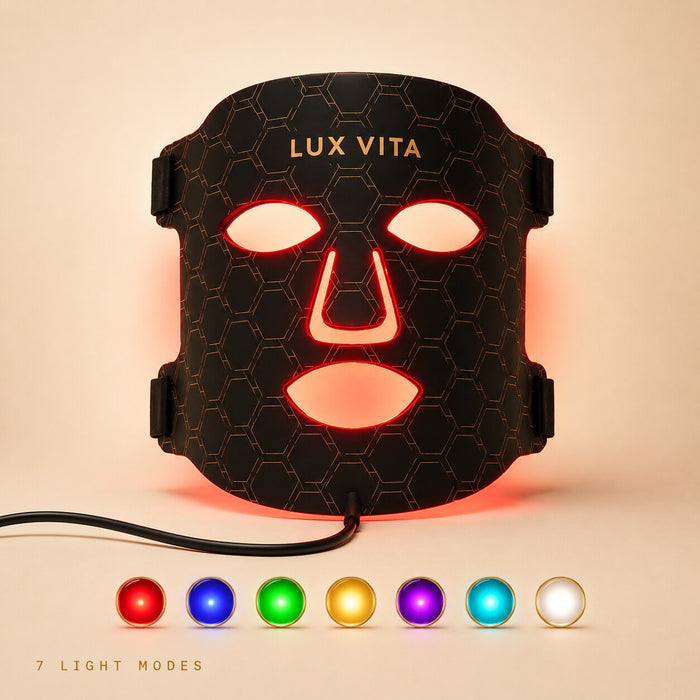
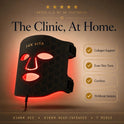



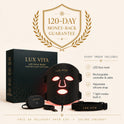
Red Light Therapy Mask — Skin Rejuvenation

Improvements in skin texture, tone, wrinkle reduction, and recovery from environmental stress.
Regular price £99.99 GBP
Sale price £99.99 GBP Regular price
Unit price
Tax included.
UK Brand

UK Brand

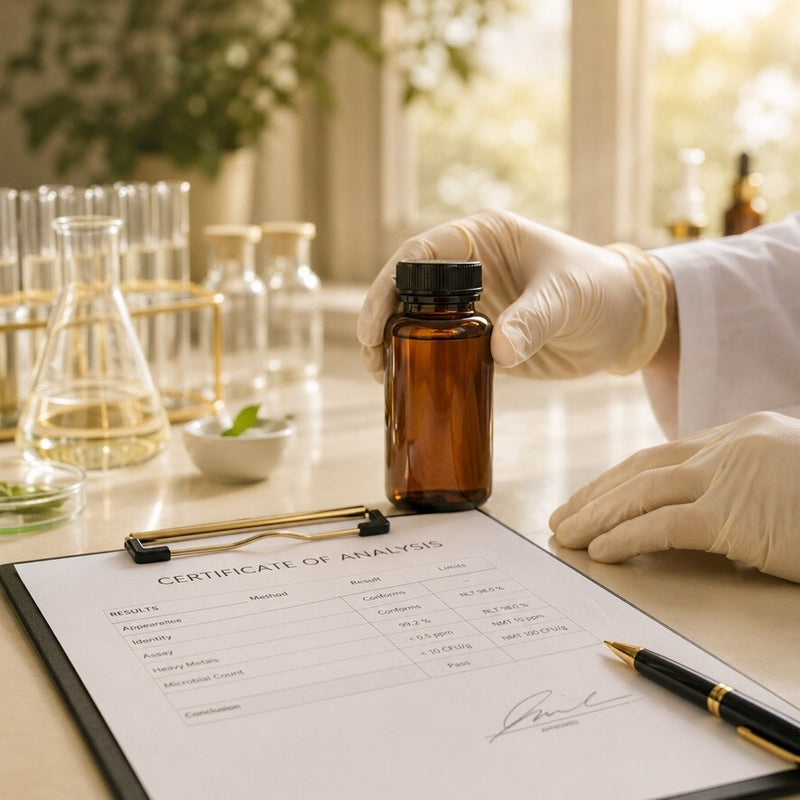
Third-Party Tested

Third-Party Tested

Free Returns

Free Returns

Ingredient Breakdown

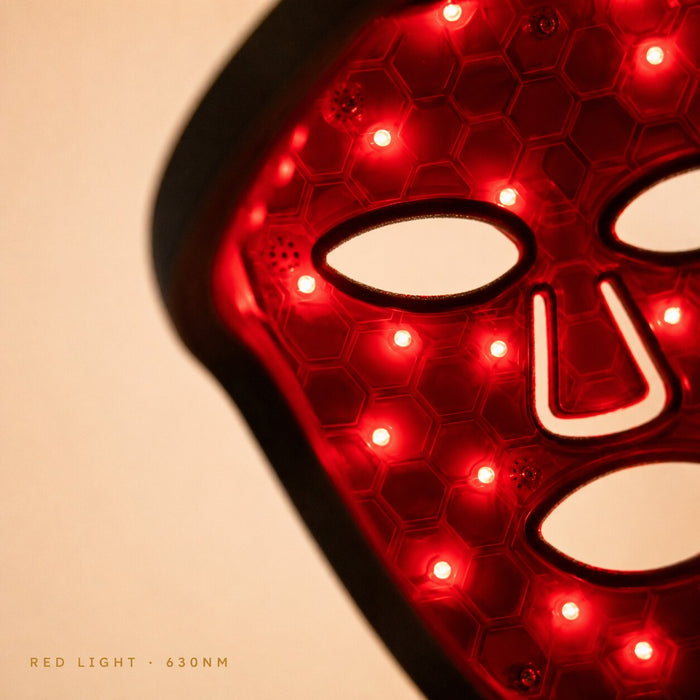
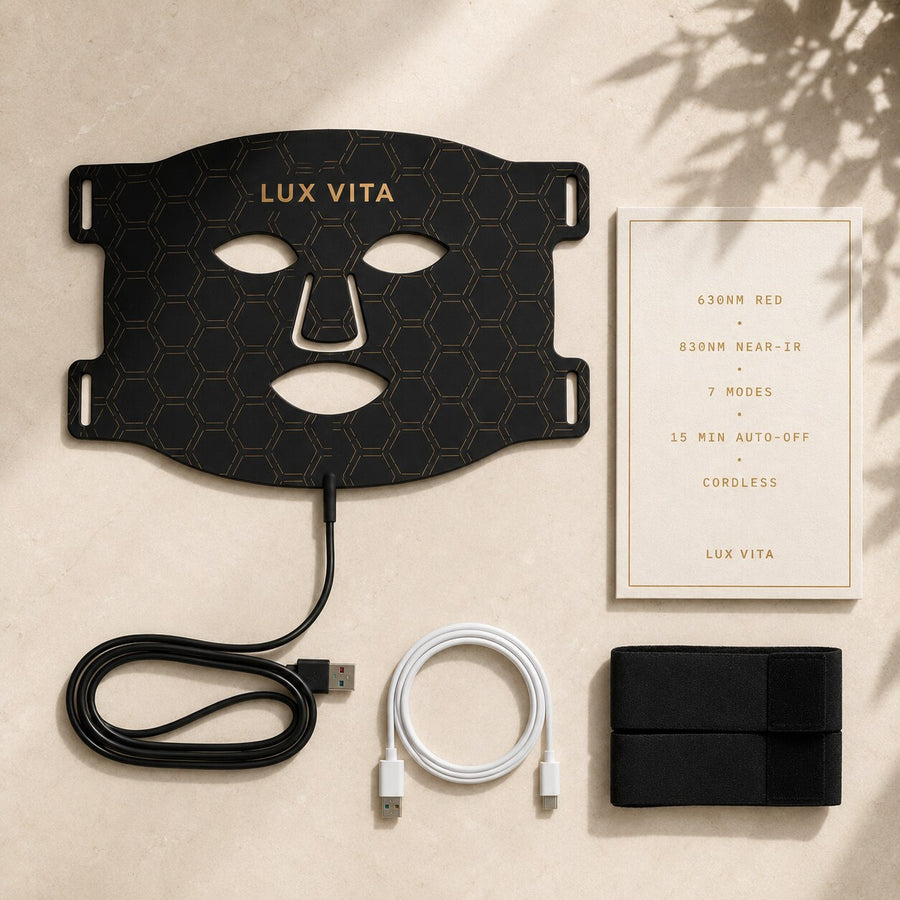
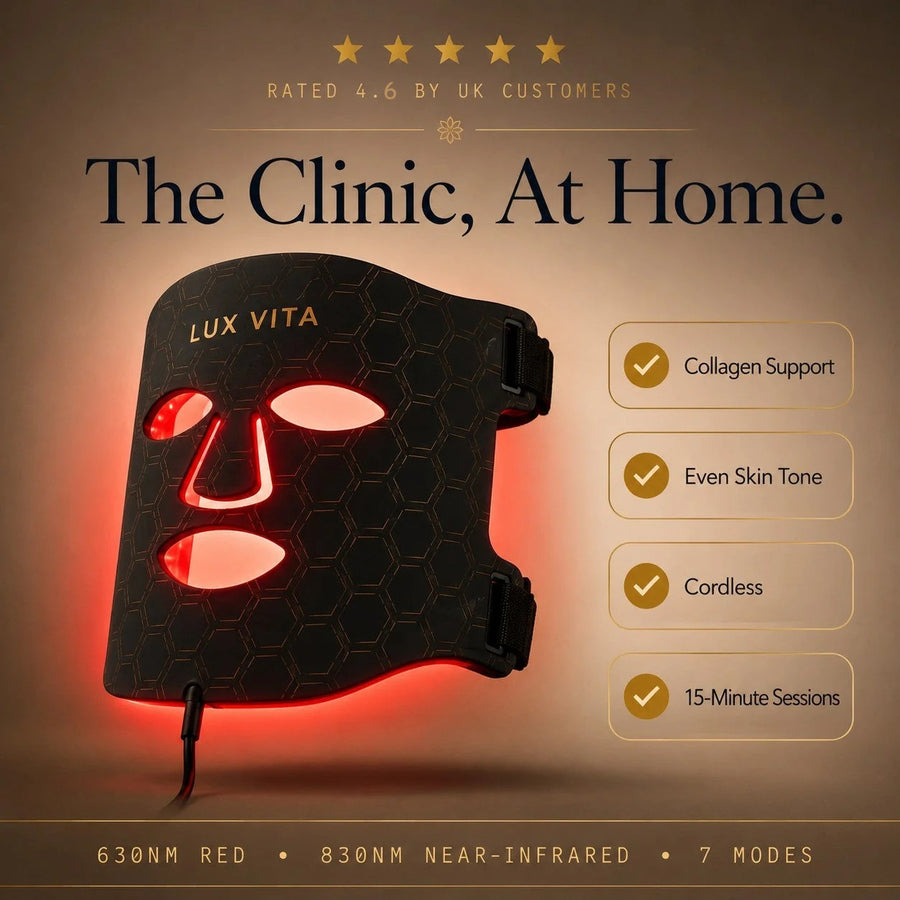
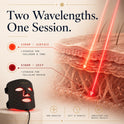
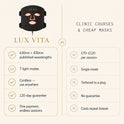
Wavelengths: 633nm and 830nm

Red, Near-infrared

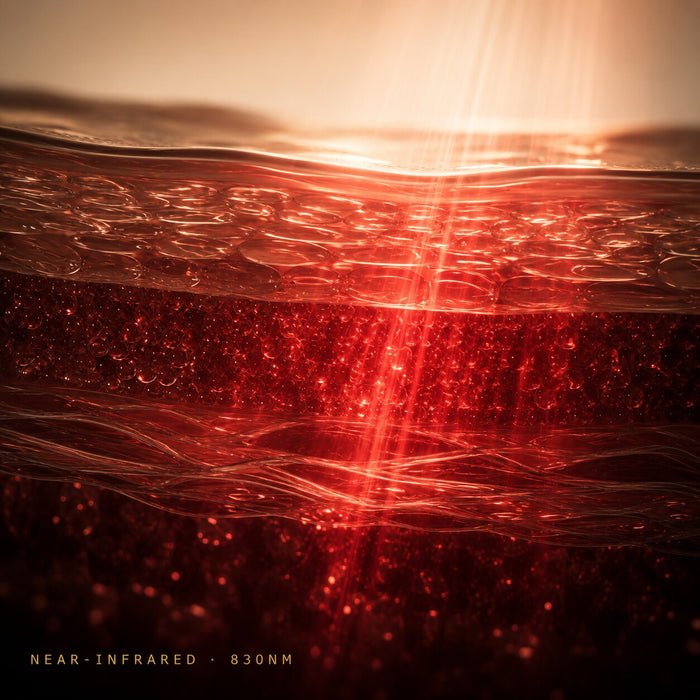
The mask delivers two primary wavelengths: 633nm (visible red) and 830nm (near-infrared). The 633nm wavelength penetrates to superficial dermal layers, stimulating fibroblast activity and collagen synthesis. The 830nm near-infrared wavelength penetrates deeper into the dermis and subcutaneous tissue, supporting mitochondrial function in deeper cellular layers and contributing to the anti-inflammatory effects documented in photobiomodulation research.

LED density and coverage

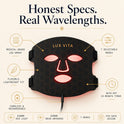
Therapeutic efficacy in LED phototherapy is dependent on adequate energy delivery measured as irradiance (mW/cm²) and dose (J/cm²). The Lux Vita mask uses a medical-grade LED array at sufficient density to deliver therapeutic irradiance across the full facial surface within the recommended session time. This distinguishes it from lower-cost cosmetic devices that may not deliver enough energy to produce meaningful biological effects.

Photobiomodulation

Mechanism in brief

Red and near-infrared photons in the therapeutic window are absorbed by chromophores in mitochondria notably cytochrome c oxidase in the respiratory chain. This is the central mechanistic model in red light therapy (photobiomodulation): light-driven changes in mitochondrial redox signalling and ATP-related processes, followed by downstream effects on cytokine balance, fibroblast activity, and tissue repair programmes. It is not a thermal burn mechanism at therapeutic doses; efficacy depends on wavelength, irradiance, and cumulative dose rather than brightness alone. Unlike ultraviolet (UV) light, red and NIR wavelengths used in cosmetic LED devices are not employed for DNA-damaging sun-tanning effects; the biological targets and safety profile are different, which is why wavelength calibration and goggle use matter.

Panel Grid

How to Use

  • Use on clean, dry skin, free from SPF or heavy serums
  • Wear the provided eye protection throughout the session
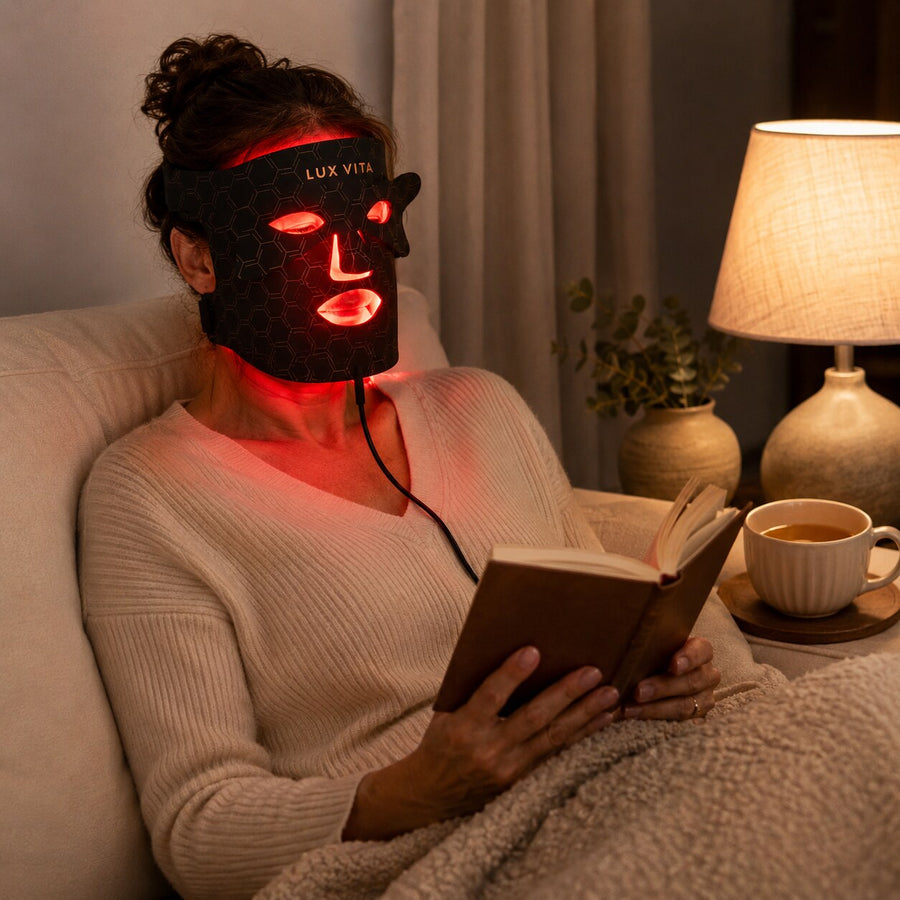
  • Recommended session duration: 10–20 minutes, 3–5 times per week
  • Results are cumulative visible improvement typically requires 4–8 weeks of consistent use
  • Can be combined with skincare serums applied after the session for enhanced penetration
  • Do not use over areas of active infection, open wounds, or known photosensitivity

The Red Light Mask lives in the Skincare and Devices collection and is not cross-promoted with ingestible products. It addresses the external dimension of the Lux Vita philosophy that maintaining how you look and how you feel are related but distinct domains, each deserving a considered, evidence-led approach.

The Science

What “red light therapy” means in one sentence

In the Lux Vita ingredient spotlight framing, red light therapy (photobiomodulation) describes the therapeutic use of visible red and near-infrared wavelengths at controlled irradiance to modulate cellular signalling especially in mitochondria and dermal fibroblasts without the tissue-damaging doses associated with ablative lasers.

Why wavelength pairing matters on the face

Facial ageing and environmental stress involve both superficial texture changes and deeper dermal support structures. A 633nm / 830nm pairing is a common clinical aesthetics approach because the visible-red component aligns with superficial targets relevant to collagen and fine lines, while NIR reaches deeper tissue planes where mitochondrial support and inflammatory tone are discussed in photobiomodulation literature.

Collagen and skin quality

The evidence for red light therapy in improving skin collagen density, reducing fine lines, and improving skin texture is among the most robust in the non-invasive aesthetics literature. A controlled trial published in Photomedicine and Laser Surgery demonstrated significant improvements in periorbital wrinkle depth, skin roughness, and overall skin texture following a structured programme of combined 633nm and 830nm light.

Acne management

Red light at 630–633nm has demonstrated direct antimicrobial effects against the primary bacterium implicated in acne pathogenesis, alongside sebaceous gland regulation via mitochondrial pathway modulation. The combination of antibacterial and anti-inflammatory activity makes red light a clinically supported adjunct therapy for mild to moderate acne.

Post-procedure recovery

Photobiomodulation accelerates recovery from laser treatments, chemical peels, and aesthetic procedures by supporting tissue repair and reducing inflammatory response. Many clinical aesthetics practitioners now incorporate red light therapy as a post-procedure intervention. Home use of a device during recovery periods mirrors this application at accessible cost.

Dose, discipline, and realistic timelines

Biological responses to light are dose-dependent and cumulative. Editorial reviews in photobiomodulation consistently emphasise irradiance and treatment schedule alongside wavelength. That is why Lux Vita specifies session length and weekly frequency, and why “occasional use” rarely matches the outcomes reported in structured trials.

Pairs Well With

Dark Gold

Skincare on the homepage

The product science notes that skincare serums applied after a session can pair well for enhanced penetration once the skin is clean and the light session is complete. Internal ingestibles and external devices stay separate in Lux Vita navigation.

Wellness – Kitchen

Ingestible range (separate)

LED sessions are used on clean skin without SPF blocking the light path; a consistent morning SPF routine supports overall photoageing management alongside any LED programme. Supplements live under the main product range, not Skincare.

Frequently Asked Questions

Still have questions? Feel free to contact our team at support@luxvita.uk